
DIY Pet Care: What to Do Before Hiring a Pet Sitter


Preparing Your Home for a Pet Sitter
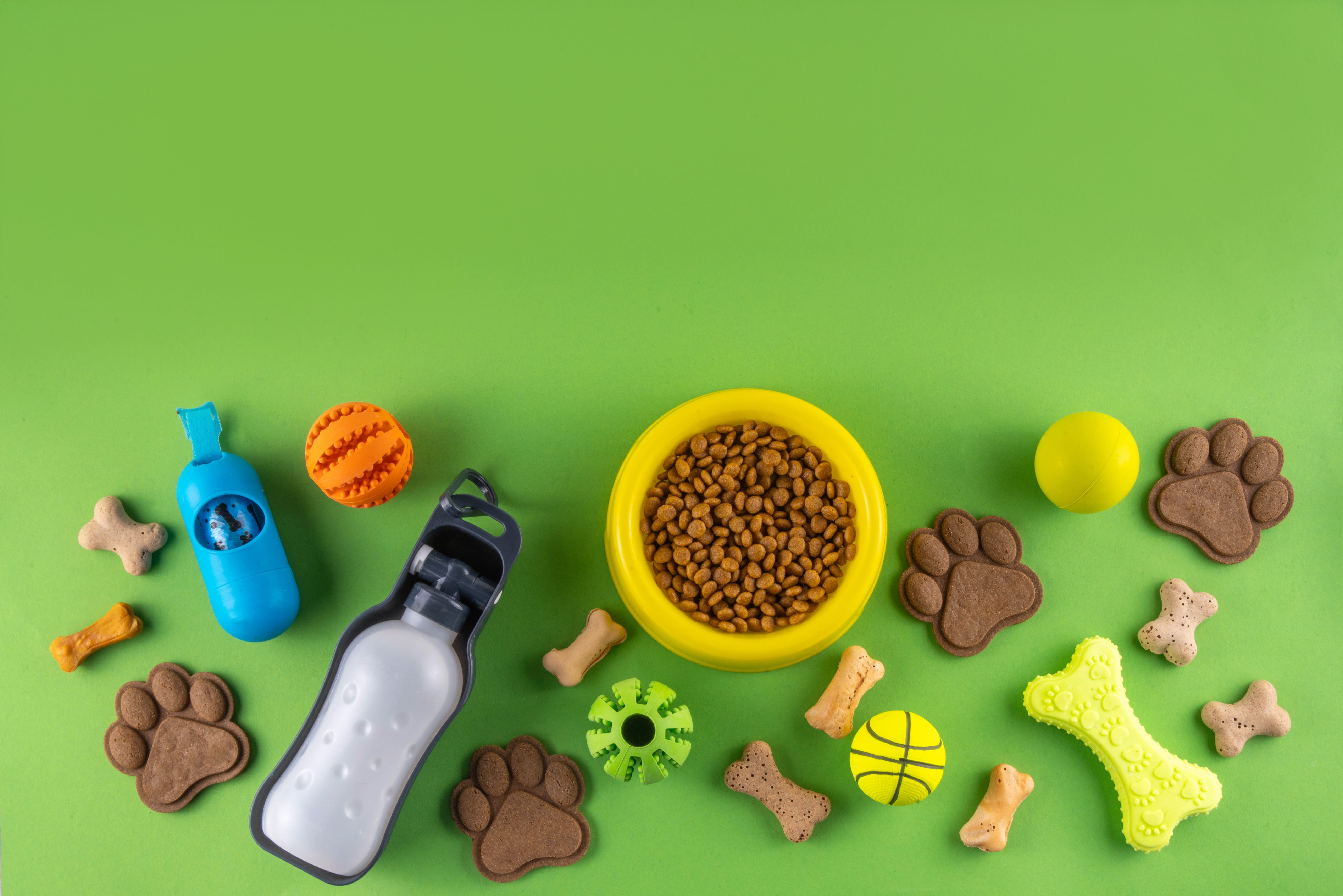
Before hiring a pet sitter, it's essential to ensure your home is ready for their arrival. Start by organizing your pet's supplies. Gather food, medications, toys, and grooming tools in a designated area. This will make it easier for the sitter to find everything they need.
Next, consider any specific instructions for your pet's care. Write these down clearly, including feeding schedules, medication dosages, and any quirks your pet might have. Having this information readily available will help the sitter provide the best care possible.

Finally, prepare your home by securing any areas where your pet should not go. Close doors to off-limit rooms and ensure that hazardous items are out of reach. This will create a safer environment for both your pet and the sitter.
Introducing Your Pet to the Sitter
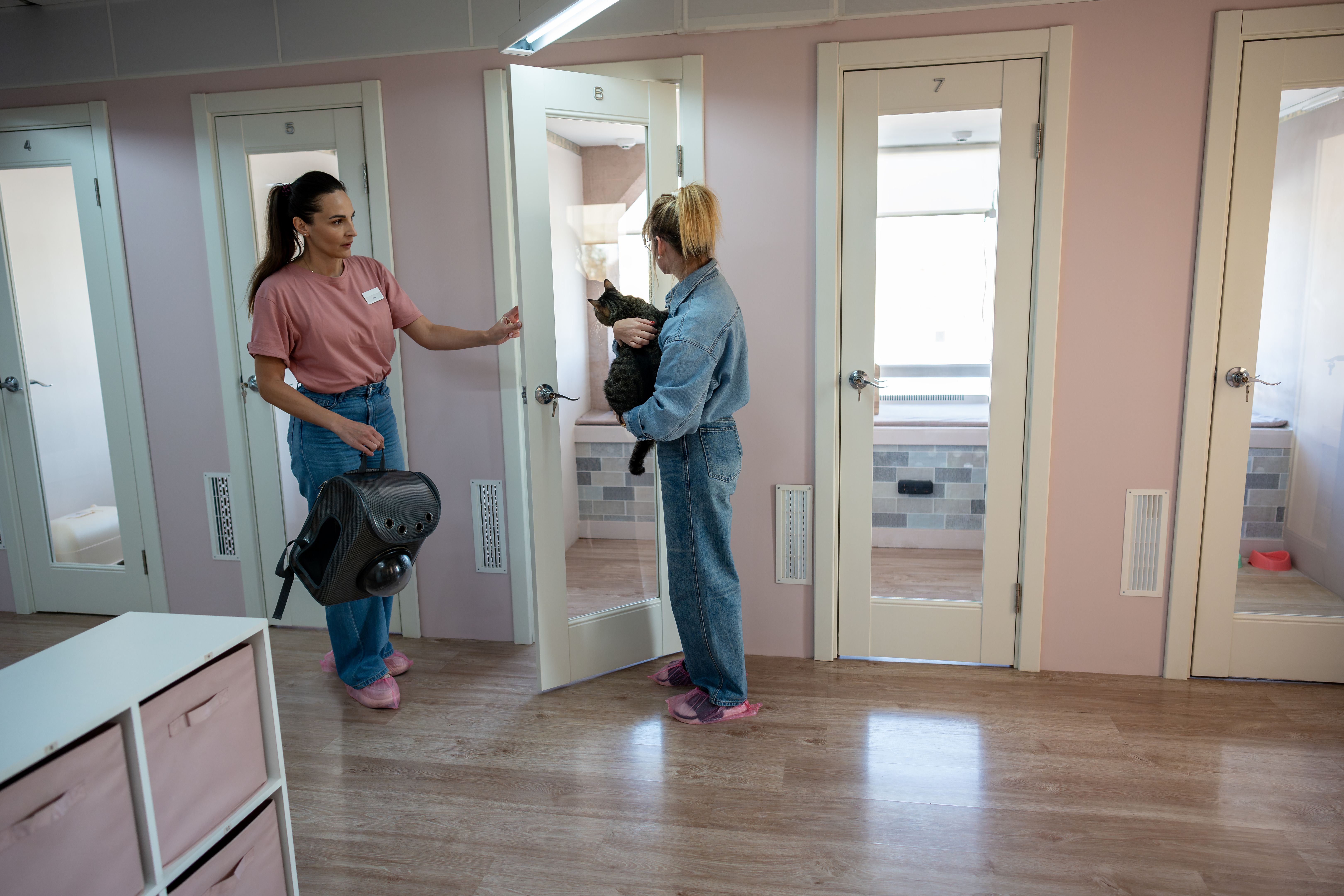
One of the most important steps in the DIY pet care process is introducing your pet to the sitter. Arrange a meet-and-greet session before your departure. This allows your pet to become familiar with the sitter and reduces anxiety during your absence.
During this meeting, observe how your pet interacts with the sitter. Ensure that your pet feels comfortable and that the sitter is confident in handling them. This interaction will provide peace of mind, knowing your pet is in good hands.
Emergency Preparedness
In case of emergencies, it's vital to have a plan in place. Provide the sitter with contact information for your vet, along with the nearest emergency animal clinic. Make sure they know your pet's medical history and any allergies.
Consider creating an emergency kit that includes items such as a pet first aid kit, extra food, and water. This preparedness will ensure your pet's safety in unexpected situations.

Setting Expectations with the Sitter
Clear communication is key to a successful pet sitting experience. Discuss your expectations regarding the sitter's duties, such as feeding, walking, and playtime. Be honest about your pet's behavior and any challenges they might present.
Establish a schedule for updates, whether through text, calls, or photos. Knowing your pet is happy and well-cared for will provide reassurance while you're away.
Ensuring a Smooth Transition
Before leaving, spend quality time with your pet. Engage in their favorite activities and offer extra affection. This will help ease their transition and reduce any separation anxiety.
Leave a piece of clothing or a blanket with your scent to comfort your pet while you're gone. Familiar smells can provide a sense of security in your absence.
By taking these steps, you can ensure a positive experience for both your pet and the sitter. Proper preparation will help you leave with confidence, knowing that your beloved companion is in capable hands.