
How to Create a Perfect Pet Sitting Schedule: A Step-by-Step Guide


Creating the perfect pet sitting schedule can make all the difference in ensuring the well-being of your furry friends while you're away. A well-organized schedule not only keeps your pets happy but also gives you peace of mind. Here’s a step-by-step guide to help you create an effective pet sitting schedule.
Understand Your Pet's Needs
Before crafting a schedule, it's essential to understand the specific needs of your pet. Different animals and breeds have unique requirements. For instance, dogs may need frequent walks, while cats might require more playtime. Consider any special dietary or medical needs as well.
Assess Their Daily Routine
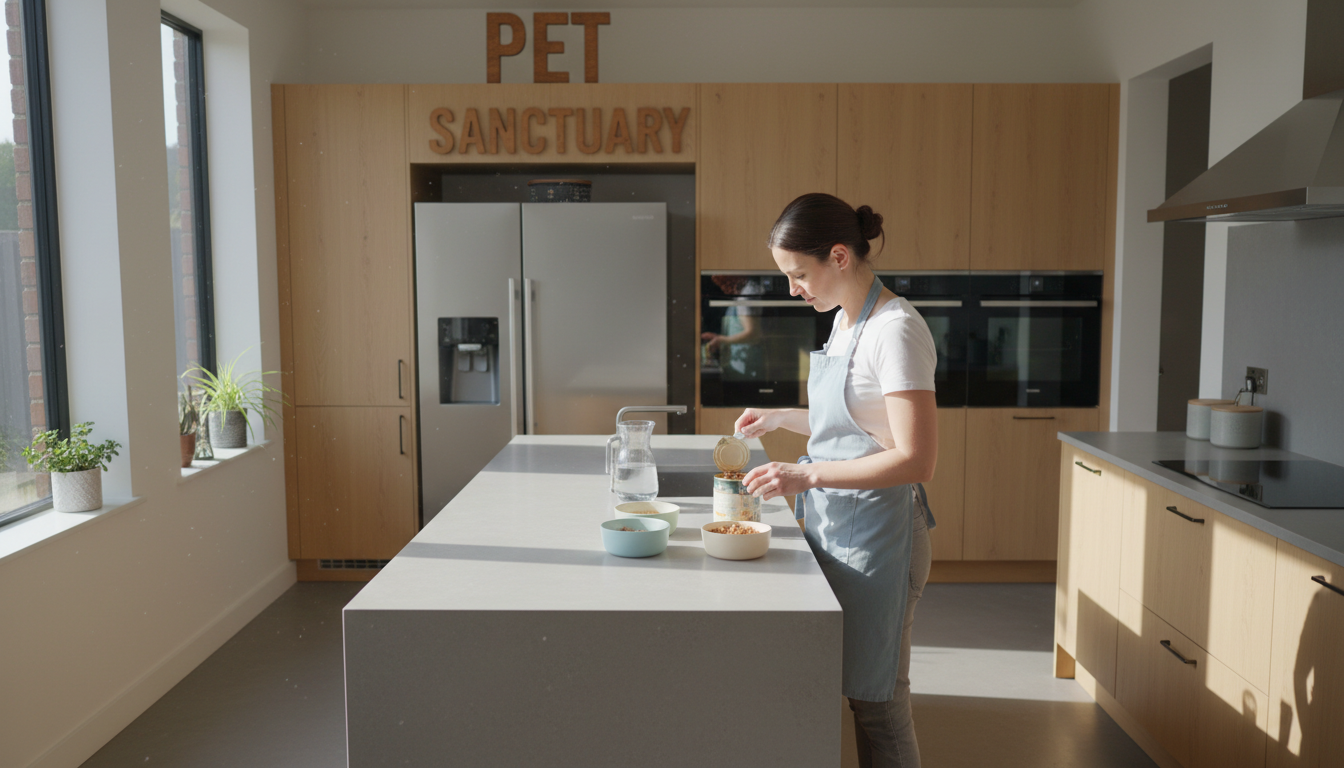
Your pet likely has a routine they're accustomed to. Observe their habits over a few days to identify patterns such as feeding times, bathroom breaks, and play sessions. Maintaining a familiar routine can help reduce stress for your pet while you're away.
- Note feeding times and portions.
- Track bathroom routines.
- Observe play and nap times.
Plan the Schedule
Once you have a good understanding of your pet's needs and routine, it’s time to plan the schedule. Begin by outlining the essential activities your pet sitter will need to perform each day. This plan should be detailed enough to ensure consistency and care.
Include Essential Activities
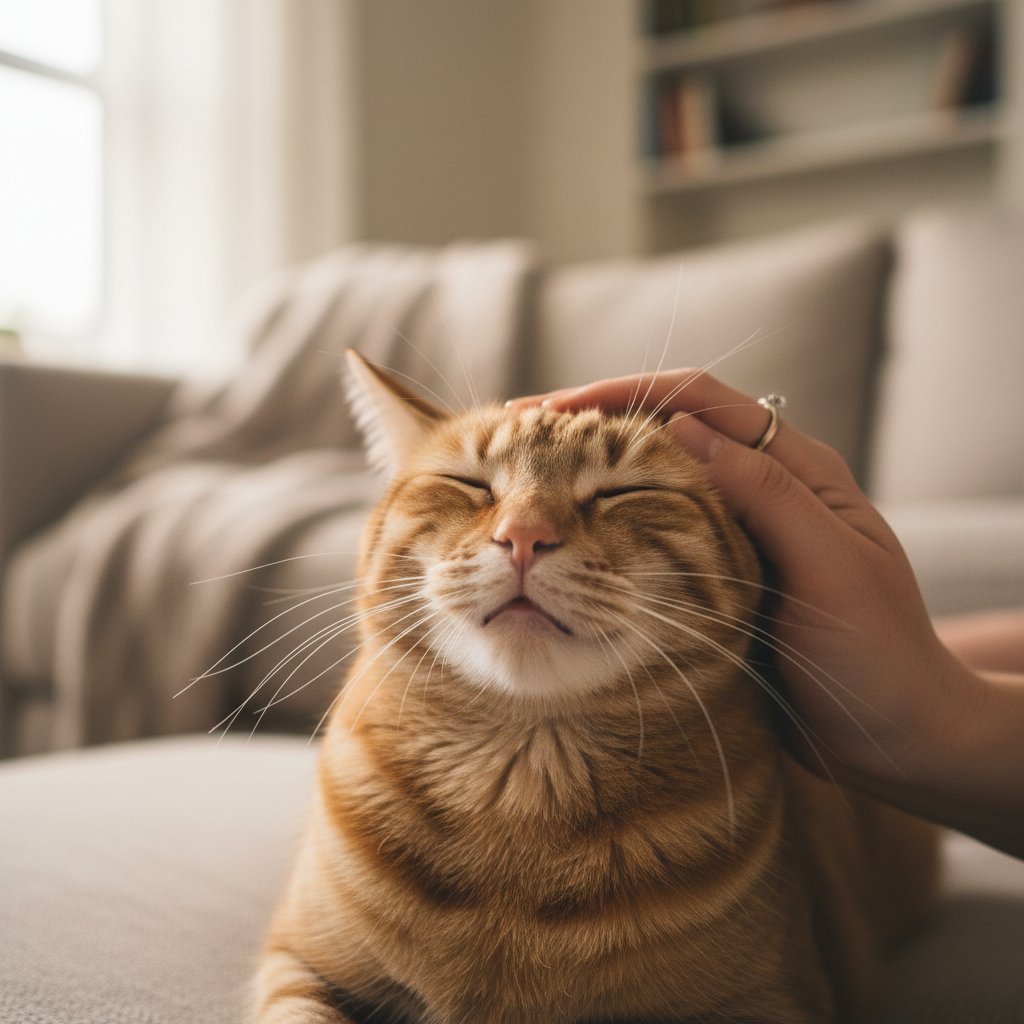
Make sure your schedule includes all necessary activities. Here’s a basic outline you might consider:
- Morning: Feeding, bathroom break, and a short walk or play.
- Afternoon: Bathroom break and playtime.
- Evening: Feeding, bathroom break, and a longer walk or play session.
Communicate with Your Pet Sitter
Communication is key to a successful pet sitting experience. Provide your pet sitter with a copy of the schedule and discuss any special instructions. Be sure to include emergency contacts and the number of your veterinarian.

Set Clear Expectations
Ensure your pet sitter understands the schedule and any specific needs your pet may have. Discuss any additional tasks, such as watering plants or collecting mail. Clear communication will help prevent misunderstandings and ensure your pet receives the best care possible.
Monitor and Adjust
Finally, remember that flexibility is important. Your pet's needs may change, or unforeseen circumstances might require adjustments to the schedule. Keep in touch with your pet sitter and be open to making necessary changes.
By following these steps, you can create a pet sitting schedule that ensures your pet's happiness and health, allowing you to enjoy your time away with peace of mind.