
Seasonal Pet Care Tips: How to Protect Your Pet During New Hampshire Winters


Understanding New Hampshire Winters
New Hampshire winters can be harsh and challenging, not just for humans but also for our furry friends. With temperatures often dropping below freezing and snow covering the ground, it's essential to take extra precautions to keep your pets safe and comfortable.
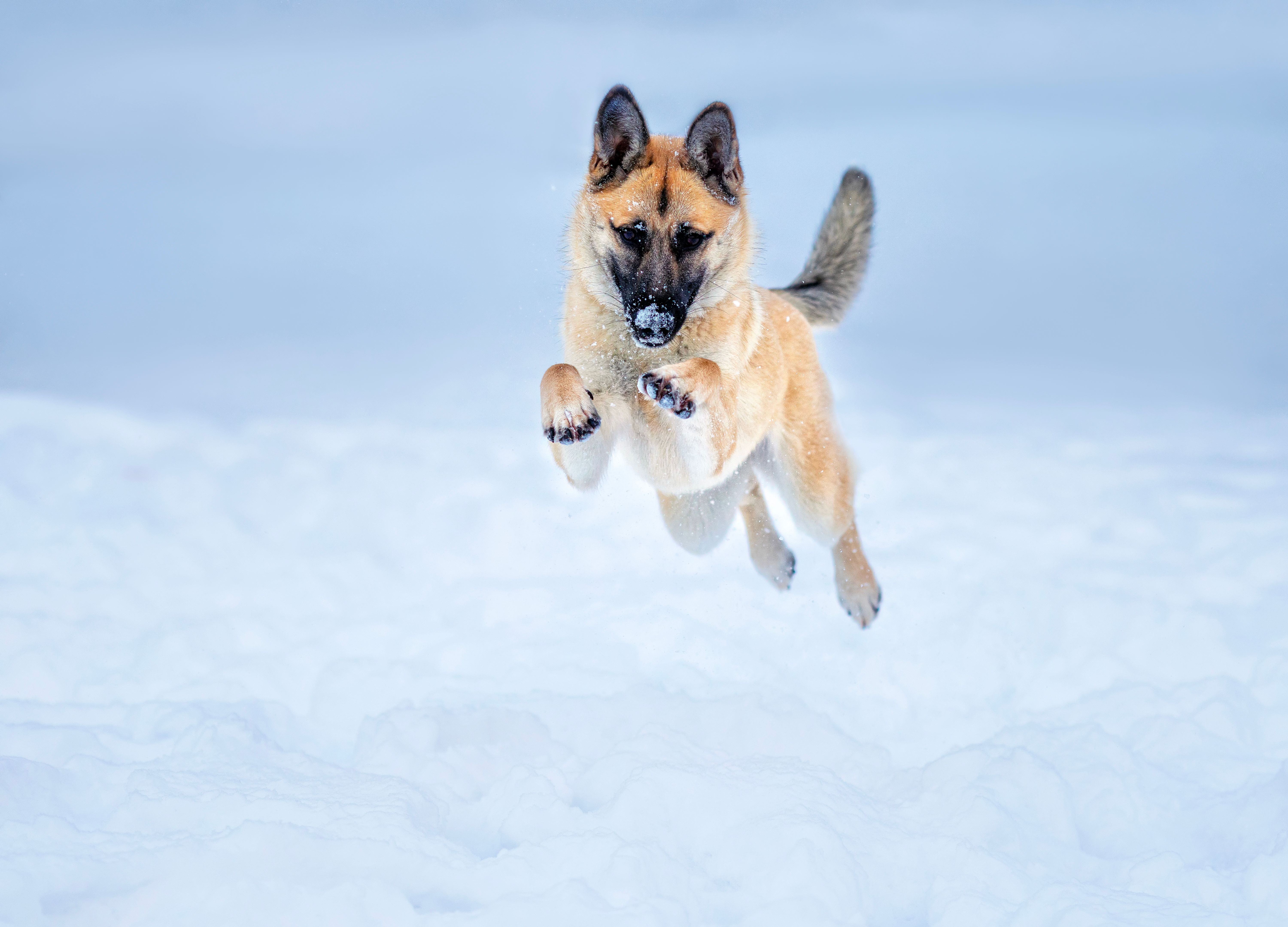
Understanding the specific needs of your pet during these colder months is the first step in ensuring they remain healthy and happy. From adjusting their diet to taking special care of their paws, there are several ways to protect your pet during the winter season.
Keeping Your Pet Warm
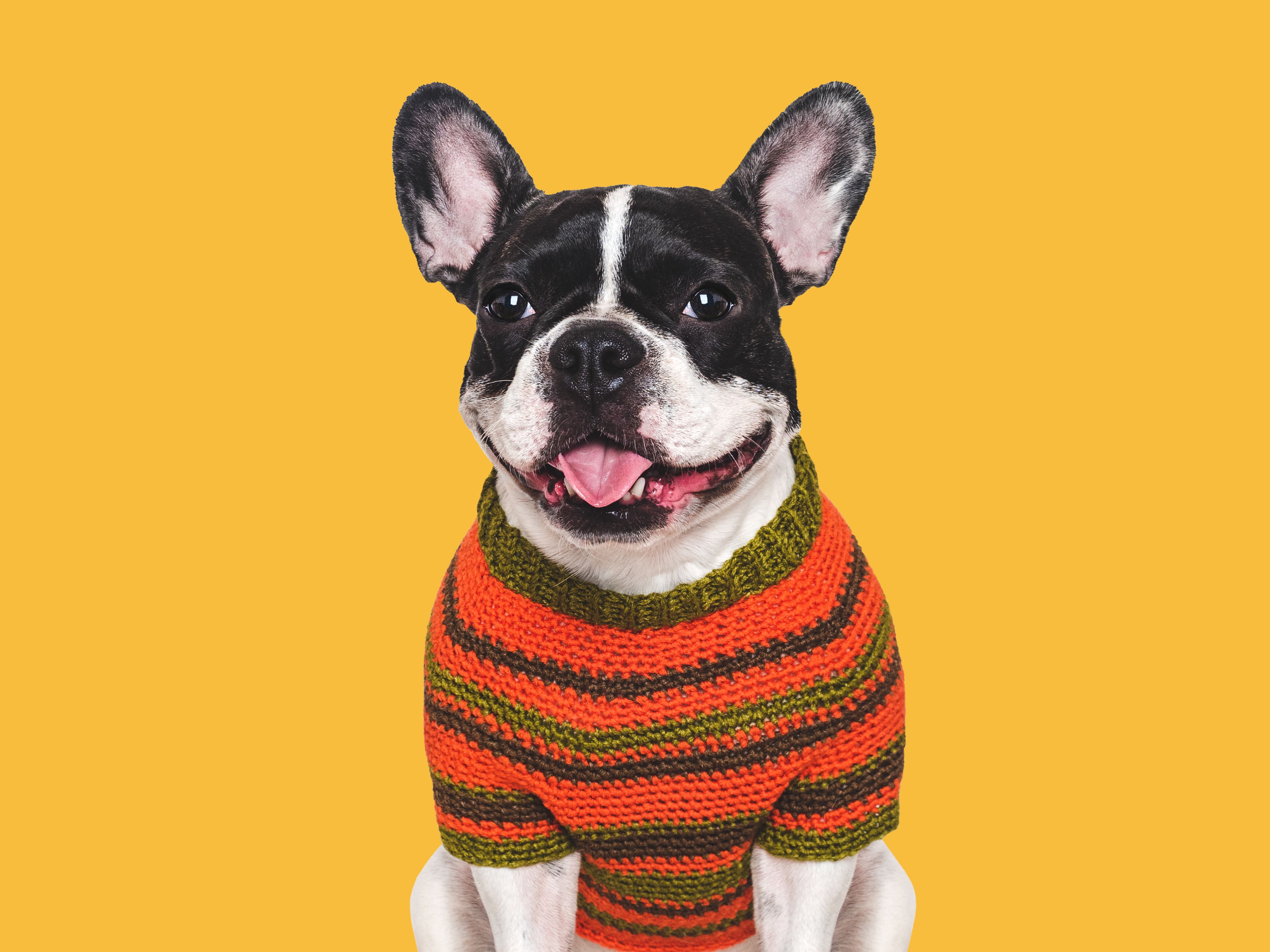
One of the most critical aspects of winter pet care is ensuring your pet stays warm. While some animals have thick fur that provides natural insulation, others may require additional help. Consider purchasing a pet sweater or coat for short-haired breeds or older pets who may struggle with the cold.
Ensure your pet's bedding is warm and dry, and keep it away from drafts. Heating pads or blankets can also be a great addition to their sleeping area, providing additional warmth during chilly nights.
Limiting Time Outside
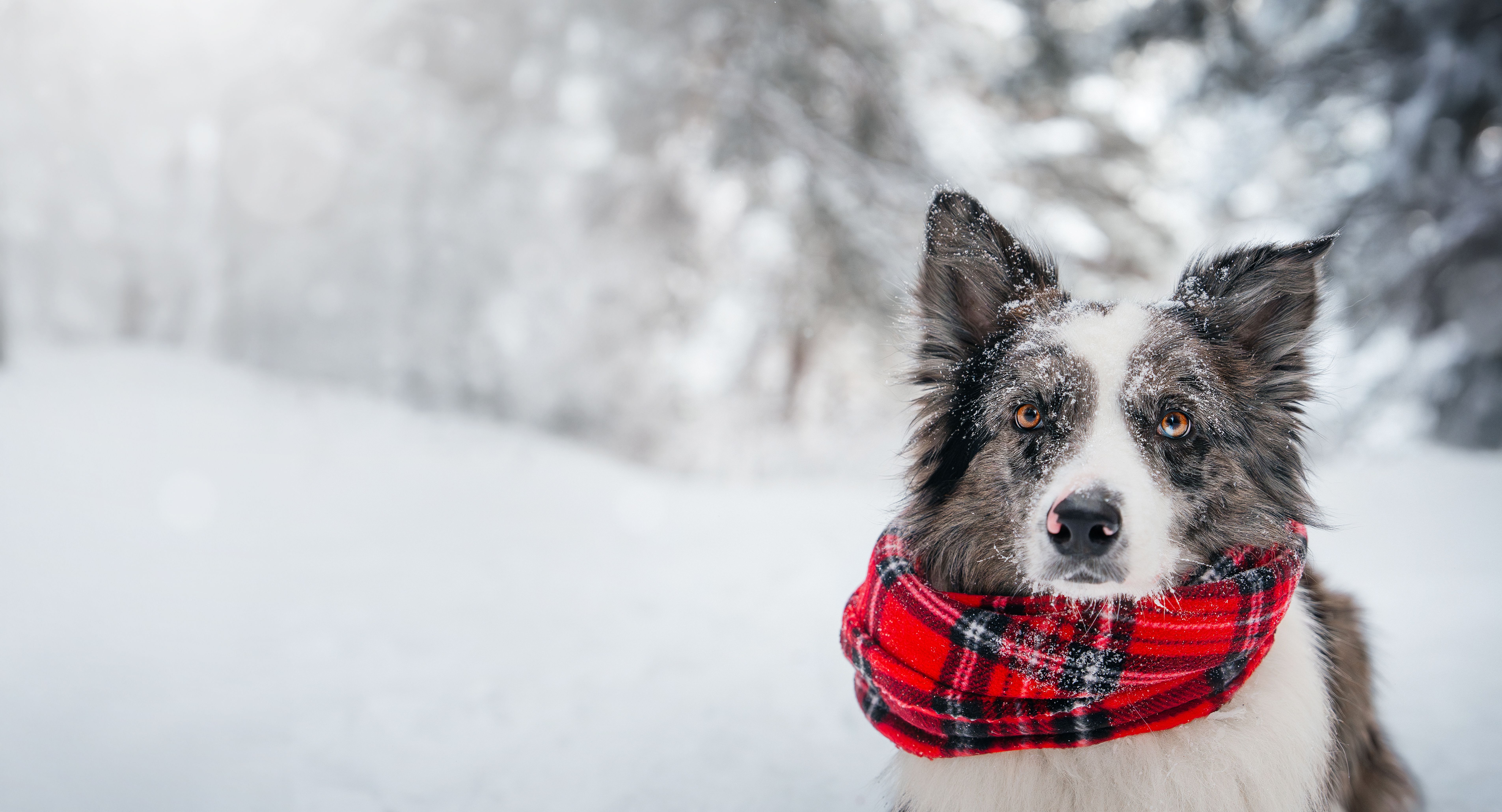
When temperatures plummet, it's crucial to limit your pet's time outdoors. Prolonged exposure to extreme cold can lead to frostbite or hypothermia. Short, frequent walks are preferable to long outings. Always monitor your pet for signs of discomfort, such as shivering or whining, and bring them inside promptly.
Paw Care During Winter
Snow, ice, and salt on the roads can be tough on your pet's paws. Consider using pet-safe balms or booties to protect their feet from harsh elements. After outdoor activities, check their paws for irritation, cuts, or debris, and clean them with a warm, damp cloth.
Regularly trimming the hair around your pet's paws can also prevent ice balls from forming, which can be painful and difficult to remove.
Adjusting Diet and Hydration
Pets may require more calories in the winter to maintain their energy levels and body heat. Consult your veterinarian to determine the appropriate diet adjustments. Additionally, ensure your pet has access to fresh water at all times, as dehydration can occur even in cold weather.
Safety Measures Indoors
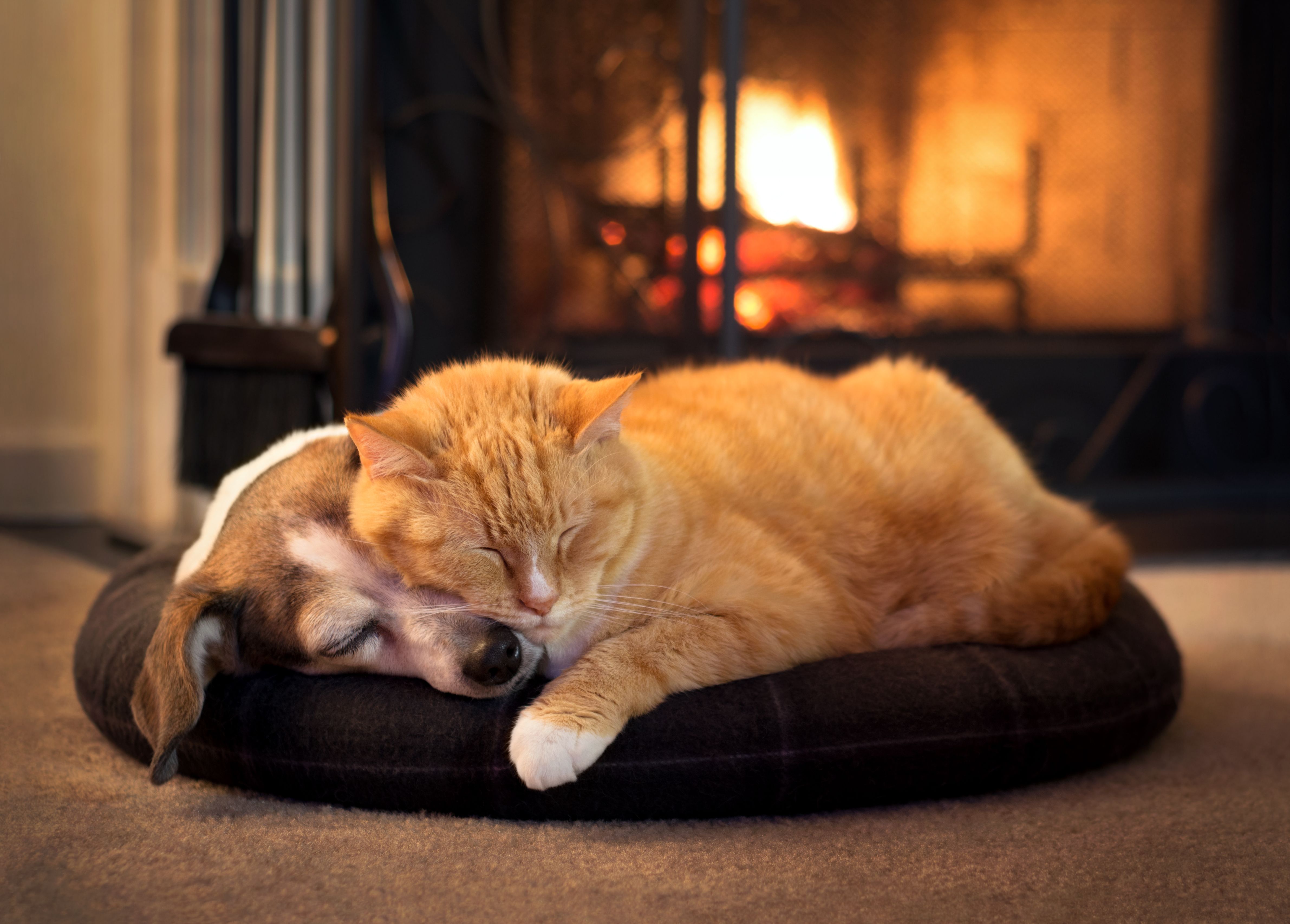
As you use heaters and fireplaces to keep your home warm, be mindful of your pet's safety. Keep them away from open flames and hot surfaces to prevent burns. Secure any space heaters to prevent accidental tipping.
Winter can also increase the risk of poisoning from antifreeze spills or other chemicals. Ensure these substances are stored securely, and clean any spills immediately.
Regular Check-Ups
Finally, regular veterinary check-ups can help catch any potential health issues before they become serious. Schedule a winter wellness exam to ensure your pet is in optimal health and discuss any specific concerns with your vet.
By taking these precautions, you can help your pet enjoy a safe and comfortable winter in New Hampshire. Remember, a little extra care goes a long way in ensuring your furry friend's well-being during the colder months.